-
Prepare by Xtremepapers!
🚀 NEW from the xtremepape.rs team: AI exam prep — 150,000+ worked solutions, and it marks your handwritten working from a photo. Sign in with your forum account & try it free → prepare.xtremepape.rs
musicgears
How Music Apparel Turns Sound Into Visual Expression
How Music Apparel Turns Sound Into Visual Expression is more than a creative idea—it’s a cultural reality shaped by decades of music history, fan identity, and emotional storytelling. Music has always lived beyond speakers and headphones. It seeps into how people dress, move, and present themselves to the world. Music apparel becomes the bridge between what we hear and what we show, transforming invisible soundwaves into powerful visual statements. In an era where self-expression matters more than ever, music apparel stands out as a living canvas—one that carries rhythm, attitude, and personal truth stitched into every seam.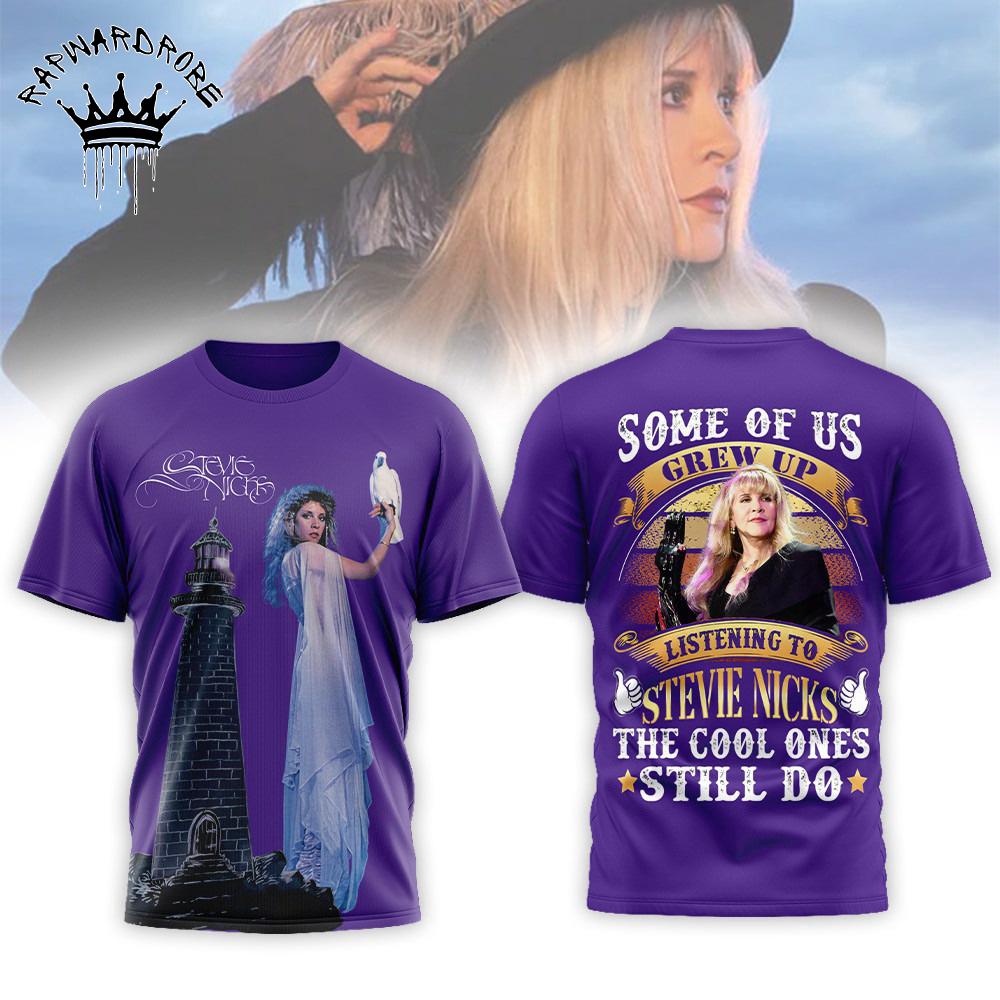
Music Apparel as a Visual Language of Sound
Music apparel acts like a second language for fans, translating beats, lyrics, and moods into colors, symbols, and designs. While sound exists in time, clothing exists in space—and music apparel merges the two, allowing sound to be seen, worn, and felt in everyday life. This transformation is why music apparel feels so expressive and authentic.Every genre carries its own visual cues. Hip-hop speaks through bold typography and street silhouettes. Rock leans into raw graphics and distressed textures. Jazz favors minimalism and quiet confidence. Music apparel absorbs these elements and reinterprets them visually, making the intangible nature of sound tangible.
From Rhythm to Design
Designers often draw inspiration directly from rhythm and tempo. Fast beats become sharp lines and dynamic contrasts. Slow, soulful tracks inspire softer palettes and flowing forms. Music apparel doesn’t just reference music—it visually mimics how that music feels.Symbols Fans Instantly Recognize
Logos, album art, and lyric fragments become visual shorthand. Fans recognize these symbols instantly, even without text. This shared understanding turns music apparel into a powerful communicator within communities.👉 Shop Now: Top-rated music gear for studio and stage
Lyrics and Emotion Turned Into Wearable Stories
Lyrics are where music becomes personal, and music apparel uses them as emotional anchors. A single line from a song can capture heartbreak, rebellion, or hope—and wearing it turns private emotion into public expression.Music apparel gives people permission to externalize feelings they may not easily articulate. It’s storytelling without explanation, emotion without conversation.
Wearing What You Feel
When someone wears a lyric hoodie or graphic tee, they’re often expressing a current emotional state or a defining life chapter. Music apparel becomes a wearable journal, documenting experiences through words and visuals tied to sound.Songs That Saved Us, Now Worn Proudly
Many fans associate specific songs with survival, growth, or transformation. Turning those songs into apparel gives them physical form, reinforcing the emotional bond and making the music part of daily life.Album Art as Cultural and Visual Identity
Album art has always been a visual extension of sound, and music apparel gives it mobility. Iconic covers and visuals move from record sleeves to the streets, allowing fans to carry musical identity wherever they go.Album art isn’t just decoration—it’s context. It reflects an artist’s era, mindset, and message. Wearing it turns admiration into alignment.
Visual Memory of Musical Eras
Each album captures a moment in time. Music apparel preserves those moments visually, allowing fans to relive entire eras through fabric and print.From Bedroom Walls to Everyday Wear
What once lived on posters and vinyl sleeves now lives on clothing. Music apparel makes fandom active rather than static, transforming admiration into participation.Music Apparel Builds Community Through Visual Expression
Sound connects people emotionally, but music apparel connects them visually. It signals shared taste and shared experience, often before a single word is spoken.This visual bonding is especially powerful in public spaces—concerts, streets, festivals—where music apparel acts as an unspoken invitation to connect.
Instant Recognition Among Fans
Seeing someone wear the same artist or lyric creates immediate familiarity. Music apparel becomes a social connector, sparking conversations and friendships rooted in shared sound.Belonging Beyond Algorithms
In a digital world driven by screens, music apparel brings community into physical space. It grounds music culture in real-world interaction.➤➤➤ See Now: https://www.gaiaonline.com/profiles/musicgears/50637450/
Genre Aesthetics Shape Visual Expression
Each music genre carries its own emotional palette, and music apparel reflects that diversity. This genre-driven design approach ensures that sound is translated visually with accuracy and respect.From underground scenes to mainstream movements, music apparel preserves genre authenticity while allowing personal interpretation.
Hip-Hop, Streetwear, and Visual Power
Hip-hop apparel uses bold visuals to reflect lyrical confidence and social commentary. Oversized fits, strong fonts, and graphic intensity mirror the genre’s sonic presence.Rock, Punk, and Raw Expression
Distressed fabrics, dark tones, and rebellious imagery translate loud guitars and anti-establishment energy into wearable form.Music Apparel Turns Listening Into Lifestyle
Listening to music is often private, but music apparel makes it public. It allows fans to live their music, not just hear it. This lifestyle integration is why music apparel resonates so deeply.It becomes part of routines—what you wear to feel confident, understood, or energized. Music apparel doesn’t just represent taste; it shapes mood.
From Headphones to Identity
What starts as a playlist becomes an aesthetic. Music apparel completes that transformation, turning sound into a visible extension of self.Daily Wear With Emotional Purpose
People reach for music apparel when they want to feel grounded or empowered. It’s clothing chosen for emotional alignment, not convenience.Storytelling Through Design Details
Every element of music apparel—from typography to fabric choice—plays a role in storytelling. These details help translate abstract sound into concrete visuals.Designers who understand music culture don’t just decorate—they narrate.
Fonts That Echo Sound
Sharp, aggressive fonts mirror heavy beats. Handwritten or flowing scripts reflect vulnerability and soul. Typography becomes a visual echo of sound.Textures That Carry Mood
Washed fabrics, vintage finishes, and layering techniques add emotional depth, reinforcing the feeling behind the music.Why Music Apparel Aligns With Modern User Intent
Today’s consumers search for meaning, not just products. Music apparel satisfies that intent by offering emotional value alongside visual appeal.People don’t just want to buy clothes—they want to express identity. Music apparel delivers that with authenticity and cultural relevance.
Expression Over Consumption
Music apparel is often purchased because it resonates, not because it’s needed. That emotional motivation leads to stronger connection and long-term loyalty.A Natural Path to Exploration
When fans discover thoughtfully curated music apparel, they’re more likely to explore deeper collections and stories—especially on platforms like RapWardrobe, where music and design intersect naturally.👉 Read more: https://community.m5stack.com/user/musicgears
Sound Becomes Sight, Emotion Becomes Style
Music apparel succeeds because it honors the soul of music while giving it form. It doesn’t dilute sound—it amplifies it visually. Every piece becomes a quiet performance, playing a song only those who understand can hear.By turning sound into visual expression, music apparel allows people to wear what they love, what they’ve lived, and what they believe. It transforms music from something you listen to into something you are.
- Birthday
- Apr 12, 1996 (Age: 30)