-
Prepare by Xtremepapers!
🚀 NEW from the xtremepape.rs team: AI exam prep — 150,000+ worked solutions, and it marks your handwritten working from a photo. Sign in with your forum account & try it free → prepare.xtremepape.rs
ncaagear
Who Buys NCAA Gear the Most: Students, Alumni, or Fans?
Who Buys NCAA Gear the Most: Students, Alumni, or Fans? is a question that goes far beyond sales numbers. It touches identity, memory, belonging, and the emotional gravity of college sports. NCAA gear isn’t just apparel—it’s a badge of place, time, and shared experience. With 10 years of hands-on SEO experience and a long path as a sports content creator deeply immersed in leagues like the NFL, I’ve seen how buying behavior reveals motivation. When it comes to NCAA gear, the “who” matters because each group—students, alumni, and fans—buys for different reasons, at different moments, and with different expectations. Understanding those motivations explains not only who buys the most, but why the market behaves the way it does.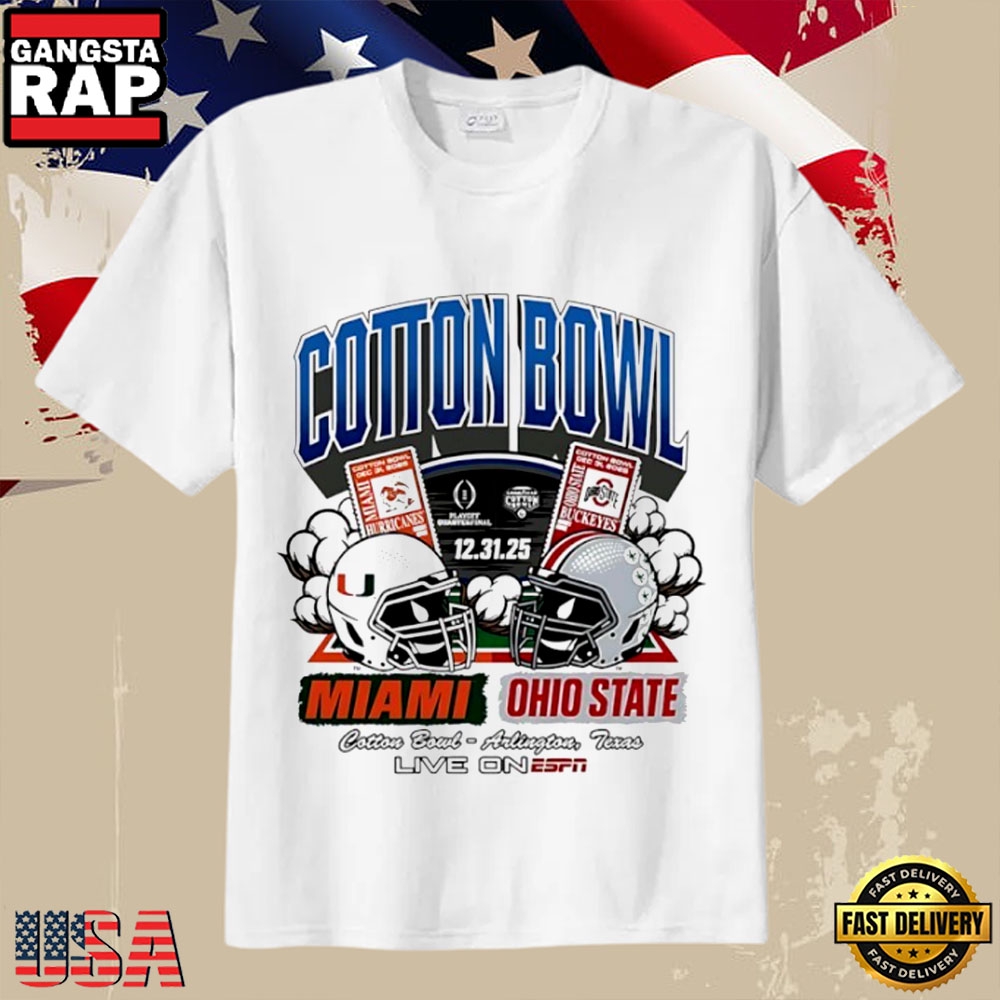
The Emotional Economy of NCAA Gear
NCAA gear operates in an emotional economy. Unlike professional leagues, college sports are rooted in place and personal history. Campuses are lived-in spaces. Rivalries are inherited. Traditions are rehearsed weekly. Apparel becomes the most visible way to participate in that culture.Before comparing buyers, it’s essential to understand this emotional baseline. NCAA gear doesn’t just represent a team—it represents a chapter of life, a hometown pride, or a family ritual. That depth changes how often people buy, what they buy, and how long they keep it.
Because of this, purchase volume alone doesn’t tell the full story. Frequency, loyalty, replacement cycles, and emotional triggers all matter. The answer to who buys the most depends on how you define “most”—units, lifetime value, consistency, or cultural influence.
➤➤➤ See Now: http://beatsaver.com/profile/339006
Place-Based Identity Drives Demand
College teams are tied to campuses and communities, not just markets.Memory Is a Purchase Trigger
NCAA gear often marks moments—first games, graduation, rivalry wins.Students: The Most Visible and Frequent Buyers
Students are the most visible buyers of NCAA gear. Walk any campus on game day and the answer feels obvious. Students wear team colors daily, not occasionally. They buy often, wear hard, and replace frequently.This group purchases NCAA gear as a form of social currency. It’s how they signal belonging, school spirit, and participation in campus life. Gear is worn to class, tailgates, dorm events, and watch parties. Visibility matters.
However, students are also budget-sensitive. They often buy entry-level items—tees, hoodies, caps—rather than premium collectibles. Their buying power is high in frequency, but lower per transaction.
Alumni: The Long-Term Value Buyers
Alumni may not be as visible day-to-day, but they represent enormous long-term value. Alumni buy NCAA gear across decades, not semesters. Their purchases are less frequent, but often higher in quality and emotional significance.For alumni, NCAA apparel reconnects them to a formative period of life. Wearing a hoodie or jacket is an act of memory. It’s nostalgia, pride, and continuity rolled into one.
Alumni buying behavior spikes around key moments—homecoming, reunions, bowl games, March Madness, and gifting seasons. They also buy for others: children, spouses, and fellow alumni.
Fans: The Largest and Most Diverse Segment
When asking Who Buys NCAA Gear the Most: Students, Alumni, or Fans?, fans are often underestimated. This group includes local supporters, family members, regional followers, and people with no direct campus connection.Fans represent the broadest market by geography and age. They may never set foot on campus, but they feel connected through tradition, media, and community identity. In many regions, college teams are the primary sports identity.
Fans buy NCAA gear for game days, watch parties, regional pride, and casual wear. Their purchase frequency varies widely, but their sheer volume makes them a massive force.
Regional Loyalty Drives Sales
In college-dominated states, fans outnumber students and alumni.Lifestyle Wear Beyond Game Days
Fans integrate NCAA gear into everyday wardrobes.👉 Shop Now: trendy NCAA gear apparel inspired by college sports
Comparing Purchase Frequency Across Groups
Students buy the most frequently in short cycles. Alumni buy steadily over long cycles. Fans buy variably but in large numbers.Students may purchase multiple items per season. Alumni may buy fewer times per year but continue buying for decades. Fans fluctuate based on team success and regional relevance.
Each group contributes differently to total volume.
What Each Group Buys Most Often
Understanding product preference clarifies who buys the most in which categories.Students Favor Essentials
T-shirts, hoodies, caps—comfortable, affordable, repeatable.Price Sensitivity and Willingness to Spend
Students are the most price-sensitive. Alumni are the least. Fans sit in the middle.This affects margins, not just volume. Alumni purchases often support higher-margin items. Student purchases drive turnover and visibility. Fans create scale.
Value Per Transaction
Alumni transactions tend to be higher value.Volume Over Margin
Students and fans move more units.Seasonality and Buying Triggers
Each group responds to different triggers.Students Buy Around Campus Events
Season openers, rivalry weeks, campus traditions.Alumni Buy Around Milestones
Graduation, reunions, holidays, championships.Fans Buy Around Visibility Moments
Televised games, playoffs, regional hype.Digital Behavior and Discovery
Online behavior reveals intent.Students discover through campus channels and peers. Alumni search intentionally. Fans browse more broadly.
From an SEO perspective, this means content and keywords must serve all three intents differently.
Students: Immediate and Visual
They respond to social proof and urgency.Alumni: Informational and Emotional
They seek meaning, history, and quality.Fans: Exploratory and Lifestyle-Oriented
They want style, comfort, and identity.Brand Loyalty vs. Team Loyalty
In NCAA gear, team loyalty dominates brand loyalty. Buyers follow schools, not labels.That said, platforms that understand culture and emotion can resonate deeply across segments. Even lifestyle-driven spaces like GangstaRap80s connect with NCAA aesthetics by respecting heritage and authenticity rather than chasing hype.
School First, Apparel Second
The logo matters more than the label.Cultural Respect Builds Trust
Understanding tradition earns loyalty.Secondhand and Vintage Influence
Alumni and fans increasingly turn to vintage and secondhand NCAA gear, adding another layer to buying behavior.Students wear vintage for style. Alumni wear it for memory. Fans wear it for authenticity.
Extended Lifecycle of NCAA Apparel
Gear circulates across generations.Cultural Sustainability
Vintage preserves school history visually.Who Buys the Most—By Definition
So, who buys NCAA gear the most?– By frequency: Students
– By lifetime value: Alumni
– By total volume: Fans
Each group leads a different metric. There is no single winner—only different kinds of impact.
Why This Question Reflects Deeper Intent
From an SEO and market-intent perspective, Who Buys NCAA Gear the Most: Students, Alumni, or Fans? reflects analytical curiosity. Users aren’t just shopping—they’re trying to understand culture, behavior, and value.They want to know who drives demand because that explains why NCAA gear looks, feels, and sells the way it does.
👉 Read more: https://pbase.com/ncaagear
Storytelling: The Hoodie That Follows a Life
A student buys a hoodie freshman year. It gets worn through late nights and cold walks. Years later, that same hoodie—or a replacement just like it—shows up in an alumnus’s closet. Then it’s worn by a fan at a watch party miles from campus.That single garment tells the whole story of NCAA gear. It moves through stages of life, through identities, through communities.
The Real Answer Lives in the Overlap
The truth is, NCAA gear thrives because these groups overlap. Students become alumni. Fans raise future students. Alumni buy for fans. The ecosystem feeds itself.That’s why NCAA apparel endures. It’s not owned by one group. It’s shared.
And that’s the real answer to Who Buys NCAA Gear the Most: Students, Alumni, or Fans?
Not one group—a living community, buying for different reasons, at different times, but always for the same feeling: belonging.
- Birthday
- May 11, 1999 (Age: 27)