-
Prepare by Xtremepapers!
🚀 NEW from the xtremepape.rs team: AI exam prep — 150,000+ worked solutions, and it marks your handwritten working from a photo. Sign in with your forum account & try it free → prepare.xtremepape.rs
sportgears
Where Are the Best Sport Apparels Brands Based Today?
Where Are the Best Sport Apparels Brands Based Today? is not just a geography question, it is a performance question, a culture question, and a trust question. After more than ten years working deeply in SEO and sports content, closely observing the NFL ecosystem, training facilities, and athlete consumption behavior, one thing is clear: the location where sport apparels brands are based strongly influences how they think, how they innovate, and how their products perform in real conditions. The world’s best sport apparel brands are not randomly distributed. They are rooted in places where sports culture, technology, climate, and competitive pressure collide. Understanding these locations helps athletes, fans, and buyers choose apparel that aligns with real performance demands rather than marketing noise.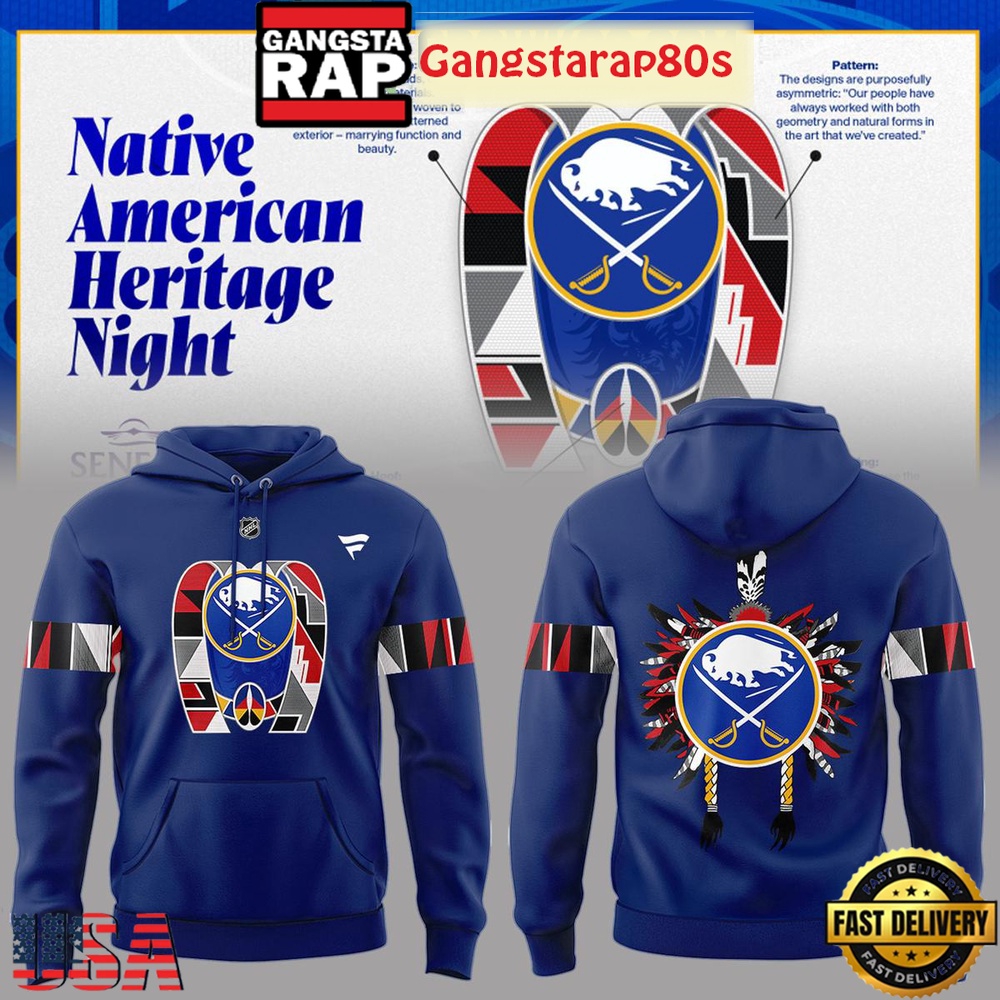
North America as the Powerhouse of Performance-Driven Sport Apparels
North America remains the epicenter of performance-focused sport apparel innovation. The region’s dominance is shaped by professional leagues like the NFL, NBA, MLB, and NCAA systems, where athletic performance is scrutinized down to milliseconds. Brands based here operate in an environment where athletes demand immediate, measurable results. This pressure forces continuous improvement in materials, fit, durability, and sport-specific functionality.In North America, sport apparels are designed with real competition in mind. Products are tested in training camps, weight rooms, and game-day scenarios. The culture prioritizes performance first, aesthetics second. This approach has shaped some of the most technically advanced apparel systems in the world, particularly for high-impact and high-intensity sports.
The United States and Its Athlete-Centered Innovation Culture
The United States leads global sport apparel development because it is deeply intertwined with professional and collegiate sports. NFL training demands explosive power, repeated collisions, and long seasons, pushing apparel brands to solve real problems like heat management, muscle fatigue, and durability. Brands based in the U.S. benefit from direct feedback loops with elite athletes, accelerating innovation.Canada’s Growing Role in Performance and Sustainability
Canada has quietly become influential in blending performance with sustainability. Cold-weather training environments push brands to develop advanced thermal regulation systems. Canadian-based apparel often focuses on layering, insulation, and versatility, appealing to athletes who train year-round in variable climates.Western Europe and the Balance Between Fashion and Function
Countries like Germany, Italy, and France are known for blending performance with design. Sport apparels from this region often transition seamlessly from training to lifestyle. While still performance-capable, they appeal to athletes who want versatility without sacrificing technical quality.Northern Europe and Climate-Driven Engineering
Nordic regions influence sport apparel through extreme climate adaptation. Brands based here excel at moisture control, insulation, and breathability. Cold, wet, and windy environments force innovation that benefits endurance athletes and outdoor sports participants worldwide.Asia as the Engine of Manufacturing and Material Innovation
Asia plays a crucial role in modern sport apparels, particularly in advanced manufacturing and material science. While many global brands are headquartered elsewhere, production and material innovation are often centered in Asia. This region excels at precision manufacturing, scalability, and fabric engineering.Asian innovation focuses on efficiency, lightweight construction, and high-volume consistency. The result is apparel that meets strict quality standards while remaining accessible to global markets. Asia’s influence is especially visible in synthetic fibers, mesh fabrics, and advanced knitting technologies.
East Asia and Fabric Technology Leadership
Countries like Japan and South Korea lead in textile innovation. Their research into moisture-wicking fabrics, stretch systems, and smart materials influences global sport apparel trends. Precision and attention to detail define this region’s contribution.👉 Shop Now: Shop the Latest Sport Gear Collection
Southeast Asia as the Manufacturing Backbone
Southeast Asia remains the backbone of global sport apparel production. Skilled labor, specialized factories, and technical expertise ensure consistent quality. While not always visible to consumers, this region’s role is essential to the availability and affordability of modern sport apparels.Emerging Markets and the Rise of New Sport Apparel Hubs
Beyond traditional powerhouses, new regions are emerging as influential sport apparel hubs. These areas bring fresh perspectives shaped by local sports culture, youth movements, and digital-first branding strategies. Emerging markets often prioritize authenticity and community connection over legacy.These regions reflect a shift in how athletes engage with apparel. Younger consumers seek brands that align with identity, lifestyle, and culture, not just performance metrics. This evolution expands the definition of what “best” means in sport apparels.
Latin America and the Influence of Street-Sport Culture
Latin American regions contribute vibrant energy to sport apparel design. Football culture blends with streetwear, creating apparel that reflects passion, movement, and expression. Performance remains important, but emotional connection plays a larger role.Why Location Still Matters in a Globalized World
In a digital era, it is tempting to believe location no longer matters. However, where a brand is based shapes its mindset, testing environment, and design priorities. Climate, sports culture, and athlete access influence every decision. A brand rooted in NFL culture will think differently from one shaped by European football academies or Asian manufacturing ecosystems.Cultural Pressure Shapes Product Decisions
Brands respond to local expectations. In regions where competition is intense, apparel must deliver immediate performance benefits. In regions where tradition matters, consistency and quality take precedence.Testing Environments Define Reliability
Apparel tested in extreme heat, cold, or physical contact conditions gains credibility. Location determines the stress tests products endure before reaching consumers.The Role of Lifestyle-Driven Sport Apparel Brands
Modern sport apparels increasingly blur the line between performance and lifestyle. Some brands emerge not from professional leagues but from cultural movements that value authenticity. These brands resonate with athletes who live sport beyond the field.Platforms like GangstaRap80s occasionally reflect this evolution, where sport-inspired apparel intersects with street identity. While performance remains important, emotional connection and self-expression also shape buying decisions.
How Athletes Should Interpret Brand Location When Buying
Knowing where a brand is based helps athletes choose apparel aligned with their needs. A buyer focused on high-impact performance may lean toward regions shaped by contact sports. Someone prioritizing endurance or climate adaptability may look elsewhere.Matching Apparel Origins to Sport Type
Contact sports benefit from apparel developed in physically demanding cultures. Endurance sports align well with regions focused on climate adaptation and efficiency.Balancing Global Production with Local Design
The best sport apparels often combine global manufacturing with local design philosophy. Understanding this balance helps buyers assess true quality beyond marketing claims.Storytelling from the Field and the Factory
Athletes often feel the difference immediately when wearing apparel shaped by the right environment. A receiver feels lighter in gear tested for speed. A lineman feels supported by apparel built for collision. These experiences are not accidents. They are the result of geography shaping innovation.Behind every great sport apparel product is a place that demanded excellence. Training fields, factories, labs, and locker rooms all leave fingerprints on the final product.
Understanding Where Are the Best Sport Apparels Brands Based Today? gives athletes and consumers a deeper lens through which to evaluate quality. The best brands are not defined solely by popularity but by the environments that shaped them. When buyers recognize how location influences design, testing, and philosophy, they make smarter choices that align with real performance, comfort, and identity. In the end, the best sport apparels are born where sport is lived intensely, daily, and without compromise.
- Birthday
- Mar 12, 1983 (Age: 43)