- Messages
- 14
- Reaction score
- 3
- Points
- 13
🚀 NEW from the xtremepape.rs team: AI exam prep — 150,000+ worked solutions, and it marks your handwritten working from a photo. Sign in with your forum account & try it free → prepare.xtremepape.rs

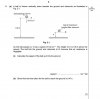
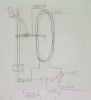
The Potential Energy of the ball when it is at A changes to Kinetic Energy as the ball accelerates downwards (It's velocity increases, so KE also increases). After the ball hits the ground, it rebounds upwards with decreasing velocity and increasing height, so KE changes to Potential Energy.Help please?
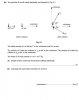
Need help with question number 2 c (ii) from paper 22 of summer 2012.
I've attached the question.
Would highly appreciate any help. Thanks!
It's not clearly explained. Why doesn't the current flow through Q?
Thanks!The Potential Energy of the ball when it is at A changes to Kinetic Energy as the ball accelerates downwards (It's velocity increases, so KE also increases). After the ball hits the ground, it rebounds upwards with decreasing velocity and increasing height, so KE changes to Potential Energy.


better if you use 5.36VAl Salamou alaikom,
What is the number of Decimal Places to put our answer for VOLTAGE to in Paper 3 Practical when we put the Voltmeter/Multimeter to the 20V setting.
P.S. in the multimter, when we put setting to 20V, it gives us a reading with 2 d.p. i.e. 5.36 V so should we put our answer to 1 or 2 or no d.p.
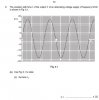
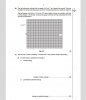
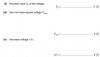 Someone please help me with 6) iv). It's from 41/O/N/11
ZeroView attachment 61960 View attachment 61961 Someone please help me with 6) iv). It's from 41/O/N/11
but why?Zero
Mean voltage so.. xDbut why?

Two ways of doing itCan someone please find the uncertainty in logP when P(20.5+-0.5).Many thanks in advance..

thank you bro....

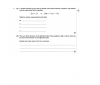
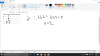
can someone explain to me why Y=2
View attachment 61980
🚀 NEW from the xtremepape.rs team: AI exam prep — 150,000+ worked solutions, and it marks your handwritten working from a photo. Sign in with your forum account & try it free → prepare.xtremepape.rs