
- Messages
- 69
- Reaction score
- 59
- Points
- 28
🚀 NEW from the xtremepape.rs team: AI exam prep — 150,000+ worked solutions, and it marks your handwritten working from a photo. Sign in with your forum account & try it free → prepare.xtremepape.rs


I quitWait ._.

hmm...Since charge on proton is +ive e, the sum of both 'up quarks' and 'down quarks' should equal to 1.
aya na shamajh!hmm...
ye quarts hai kya?aya na shamajh!
A quark is one of two currently recognized groups of fundamental particles, which are subatomic, indivisible (at least as far as we know today) particles that represent the smallest known units of matterye quarts hai kya?
hmm... thnxA quark is one of two currently recognized groups of fundamental particles, which are subatomic, indivisible (at least as far as we know today) particles that represent the smallest known units of matter
Since it is asked for an elastic collision, remember: speed of approach= speed of separation
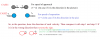 Forward direction is + and backward is -
The horizontal velocity will decrease to Zero and the veritcal velocity will increase until it reaches a constant value. This question involves the concept of terminal velocity. The vertical velocity will increase initially due to the object's weight by as it is countered by drag the velocity will reach a constant value when the object is in vertical equilibrium. Whereas, the horizonal velocity will decrease to zero because of the consistent air resistance.PLEASE HELP!!
A ball is thrown horizontally in still air from the top of a very tall building. The ball is affected by air
resistance.
What happens to the horizontal and to the vertical components of the ball’s velocity?
MARKSCHEME SAYS:
horizontal component of velocity decreases to zero AND
vertical component of velocity increases to a constant value
I SAY:
horizontal component of velocity remains constant AND
vertical component of velocity increases to a constant value
Am I wrong or markscheme wrong??
PLEASE HELP!!
A ball is thrown horizontally in still air from the top of a very tall building. The ball is affected by air
resistance.
What happens to the horizontal and to the vertical components of the ball’s velocity?
MARKSCHEME SAYS:
horizontal component of velocity decreases to zero AND
vertical component of velocity increases to a constant value
I SAY:
horizontal component of velocity remains constant AND
vertical component of velocity increases to a constant value
Am I wrong or markscheme wrong??
27)
View attachment 44307
What does this mean? Please explain. sorry for the two posts. I couldnt remove it

By knowing area under Force - extension graph is the energy stored in the material answer is B
By knowing area under Force - extension graph is the energy stored in the material answer is B
🚀 NEW from the xtremepape.rs team: AI exam prep — 150,000+ worked solutions, and it marks your handwritten working from a photo. Sign in with your forum account & try it free → prepare.xtremepape.rs